


Training the future… USING THE PAST!
Carolina STEAM Punks
✦
Carolina STEAM Punks ✦
About us
A Window into the Mind of CSP

Our Vision
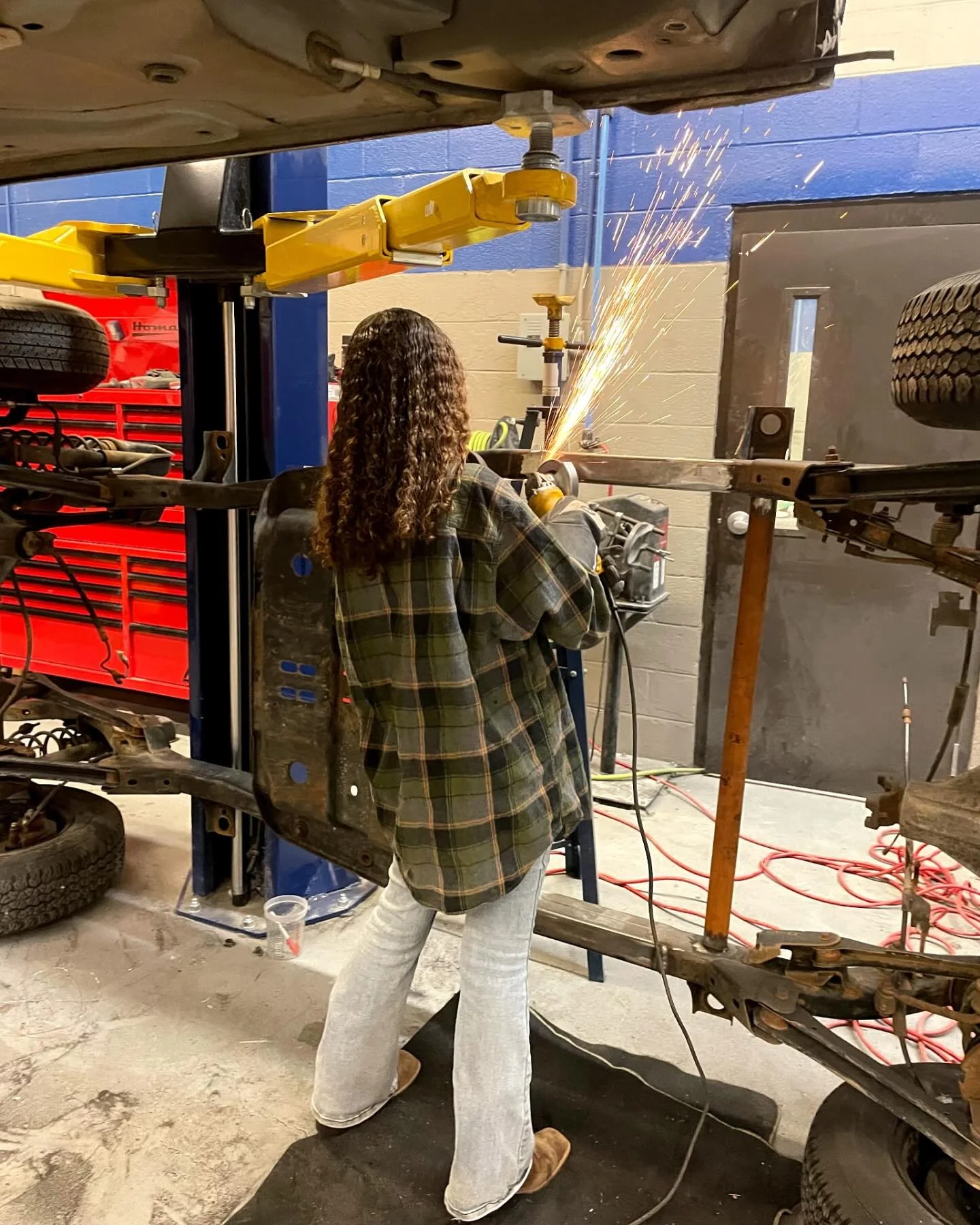
Our goal is to harness innovative, unconventional thinking to inspire local high school students, and with a future hope to expand to other career center local and across the country. We aim to challenge learners by pushing their creativity, prior knowledge, and critical-thinking skills to new heights. Through STEAM principles, students will design and construct a fully functional vehicle using a collection of miscellaneous components.
Our Culture
We aim to involve a diverse range of students and business partners in this project. Our goal is to create an environment where participants not only have fun but also grow and excel in their learning. Because the RAT ROD project is a voluntary initiative, participants are expected to bring a positive attitude and a genuine desire to learn.
Our Community
Our goal is to collaborate with the surrounding community and region to advance this initiative. By engaging local business partners whenever possible and providing opportunities for them to observe the work our students are undertaking, we aim to cultivate meaningful connections that benefit both students and industry partners. Ultimately, we hope to create a pipeline that supports future employment opportunities for our students.

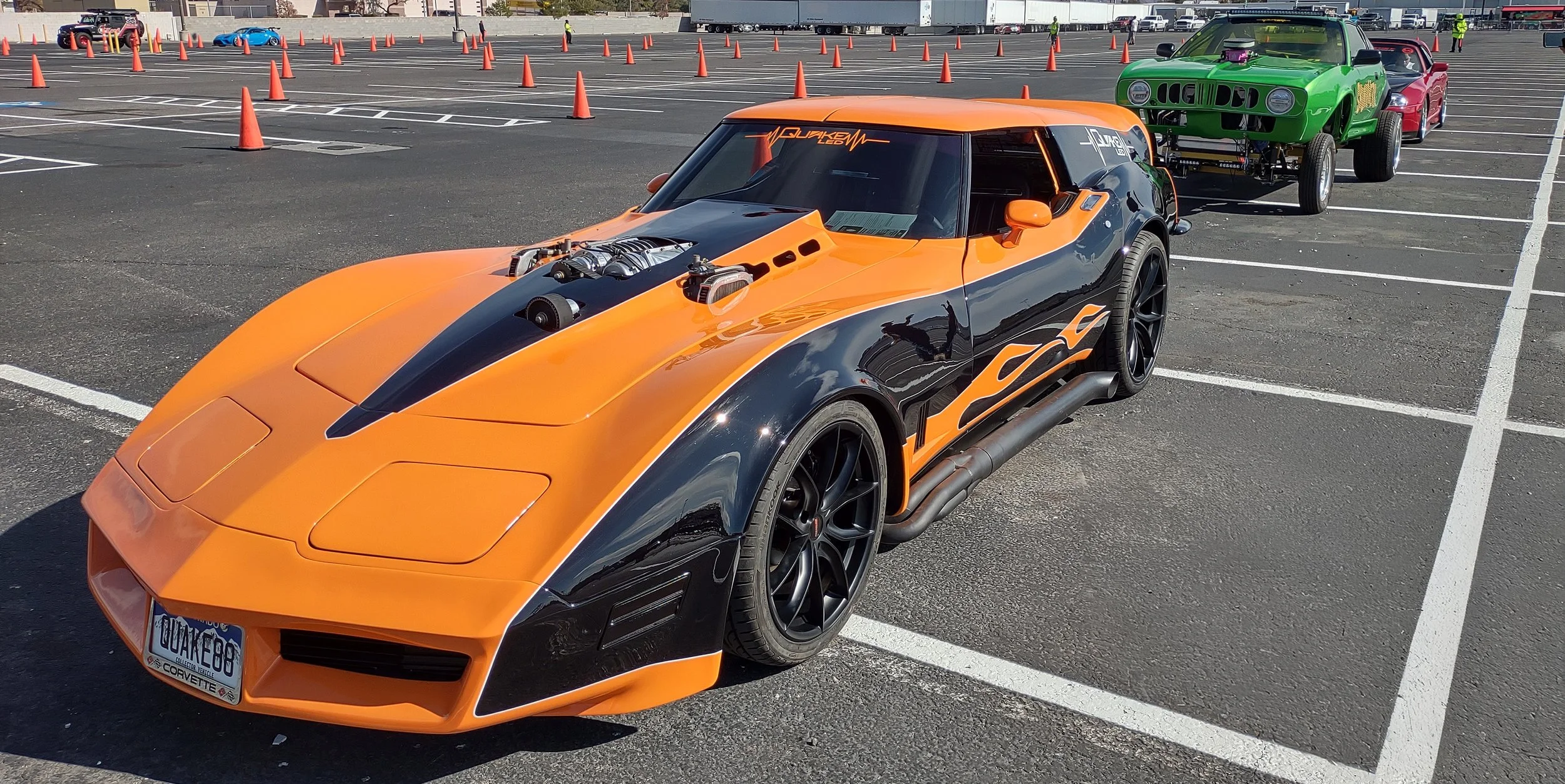
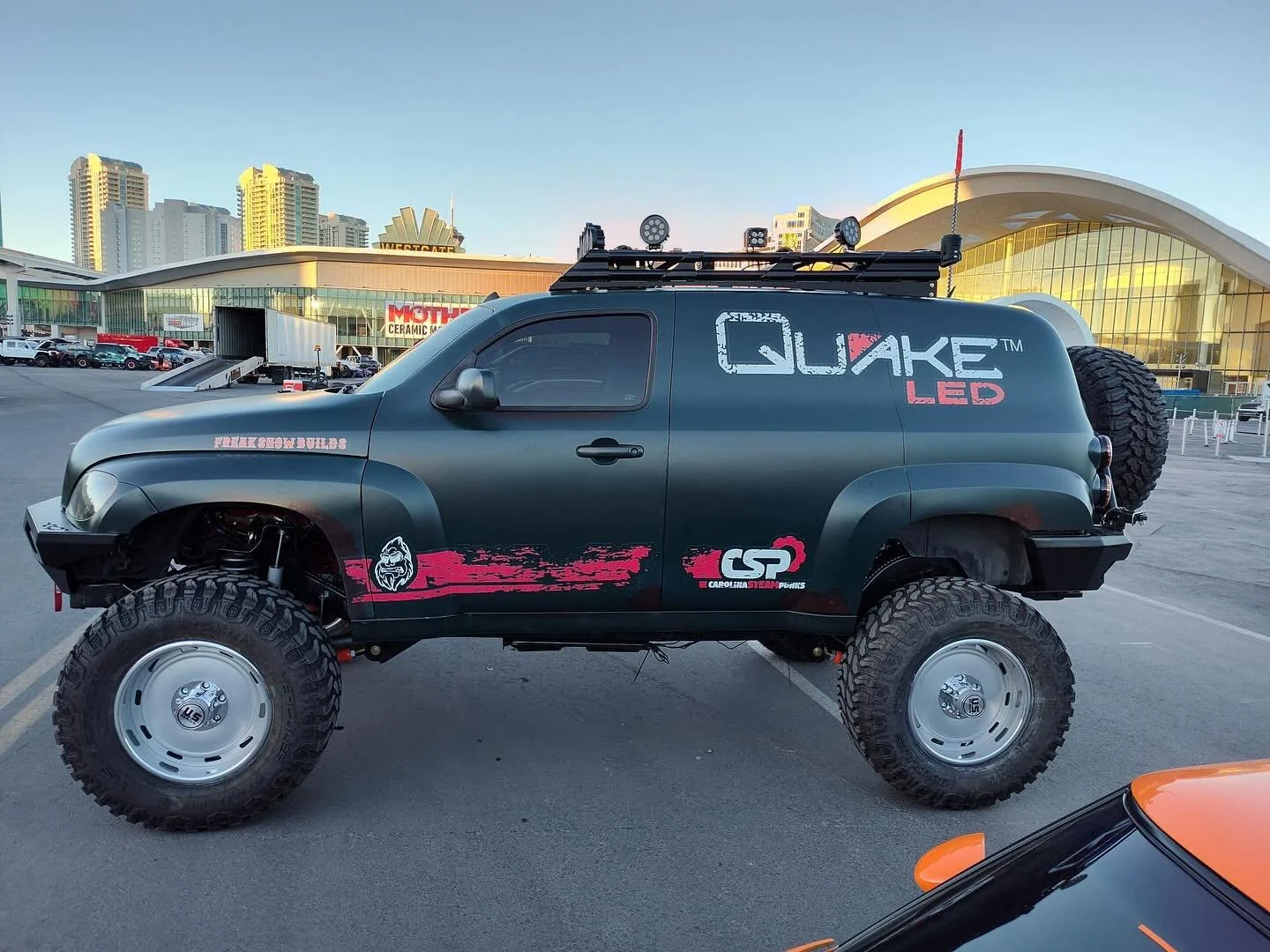
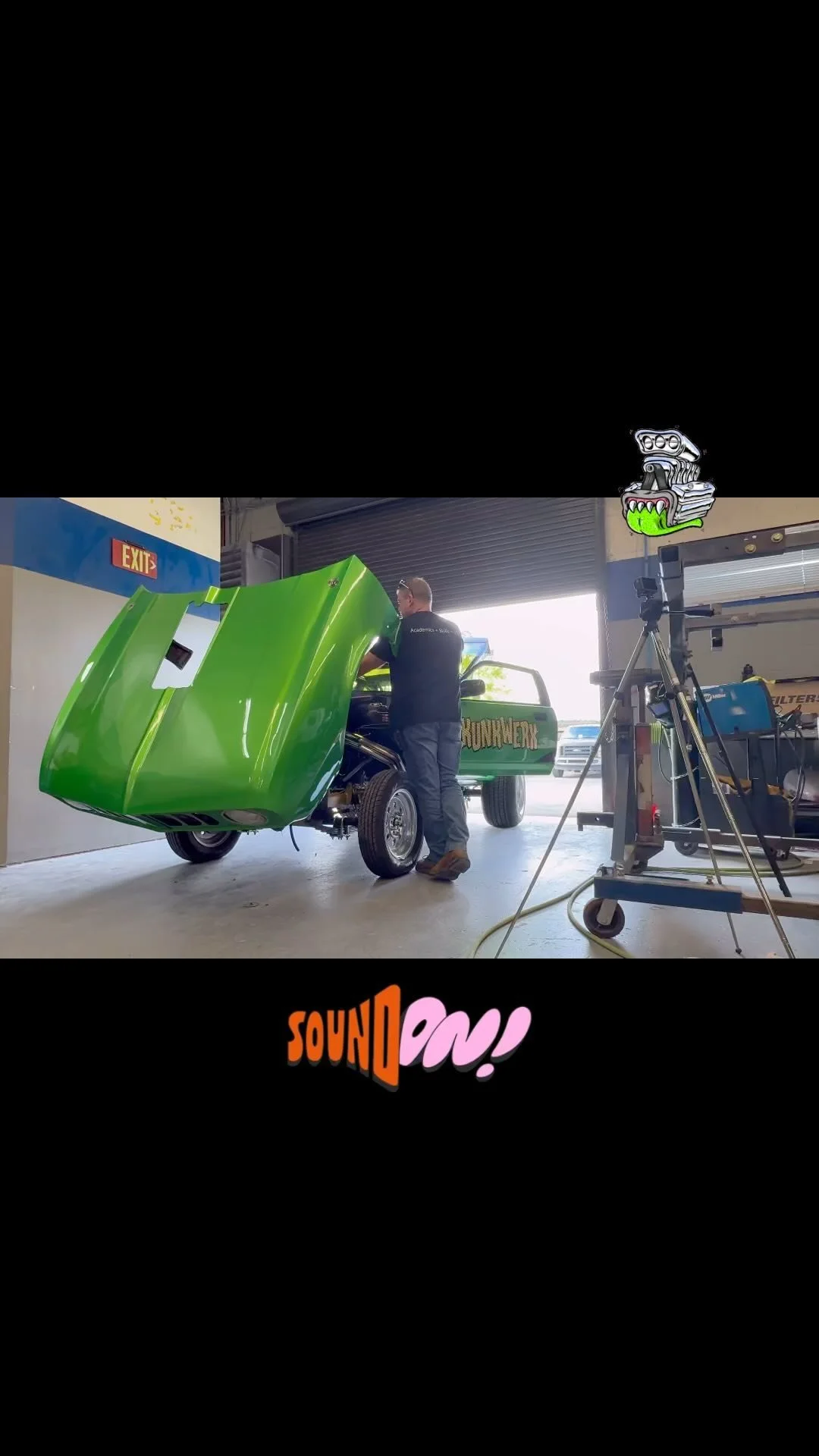
Learn more about Freak-N-Stein, Video by our sponsor Quake LED
STEAM Initiative: Explain, Expose and Educate
STEAM (Science, Technology, Engineering, Art, and Mathematics) education is essential not only for the future workforce but also for the development of our students. By integrating STEAM principles into learning, we are equipping students with the skills and knowledge needed to succeed—whether in the workplace, in college, or in the military. Core STEAM competencies are embedded in nearly every field, making this preparation both practical and vital. Investing in STEAM education is not only beneficial for students but also critical to the long-term success of industry.

Our School

Applied Technology Center
The Applied Technology Center is a career and technical high school, located in Rock Hill South Carolina. Focusing on preparing students for college, career or the military. The Applied Technology Center offers authentically engaging career and technical education programs that provide all students the opportunity to acquire the skills, knowledge and motivation to achieve success in an ever changing world.
Core Beliefs:
All individuals have intrinsic worth. All individuals can learn. Learning depends upon basic needs (physical and emotional) being met. Understanding diversity enriches learning. The integration of academic and career and technical education maximizes learning. Positive adult role models encourage students to fulfill their potential. An environment where innovation is encouraged promotes learning. The community is responsible for working with the schools to ensure the welfare of children. Schools have a responsibility of promoting lifelong learning. All students have the final responsibility of ensuring their own success.
What Is the R.A.T. Rod Challenge
-
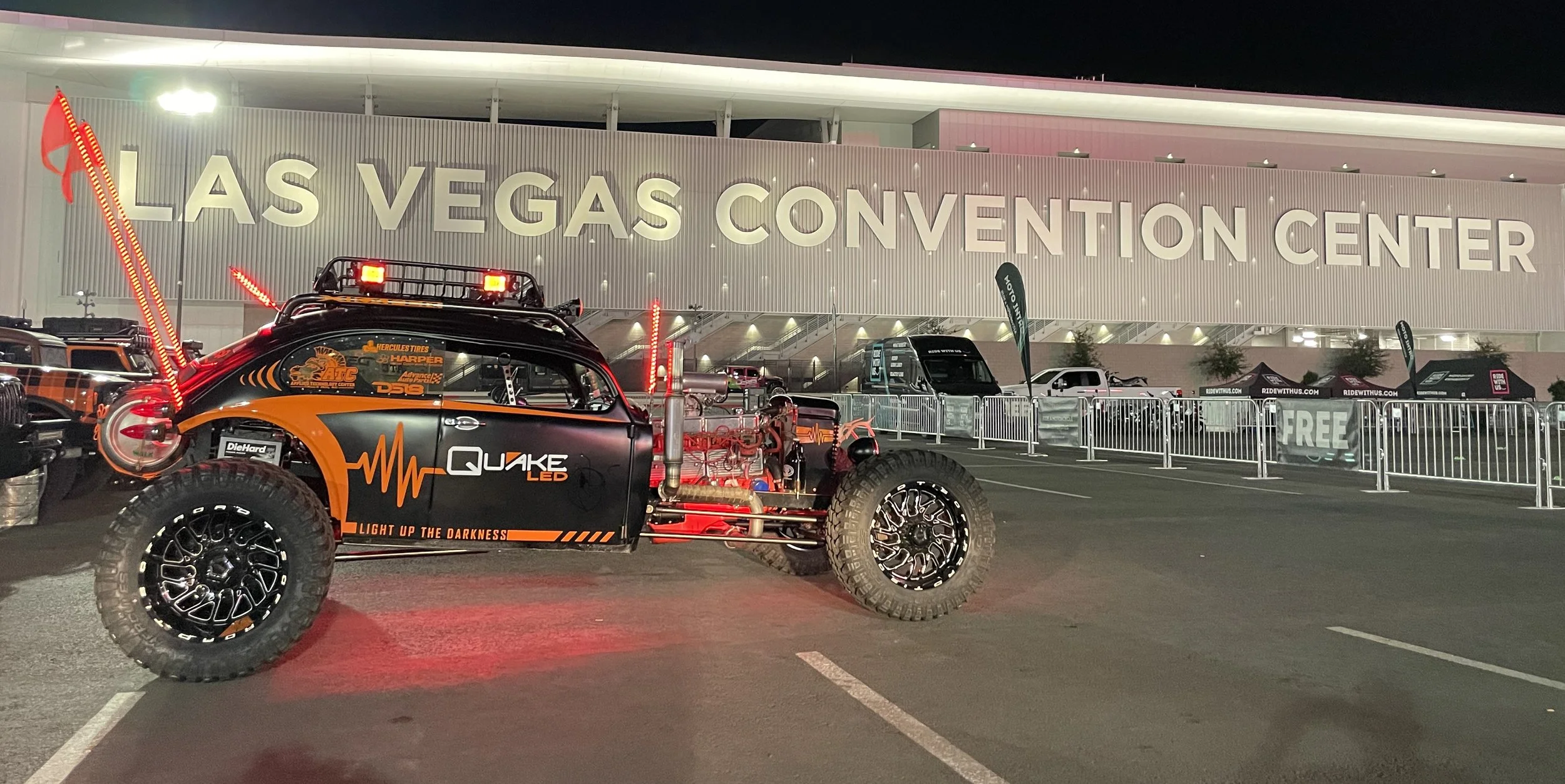
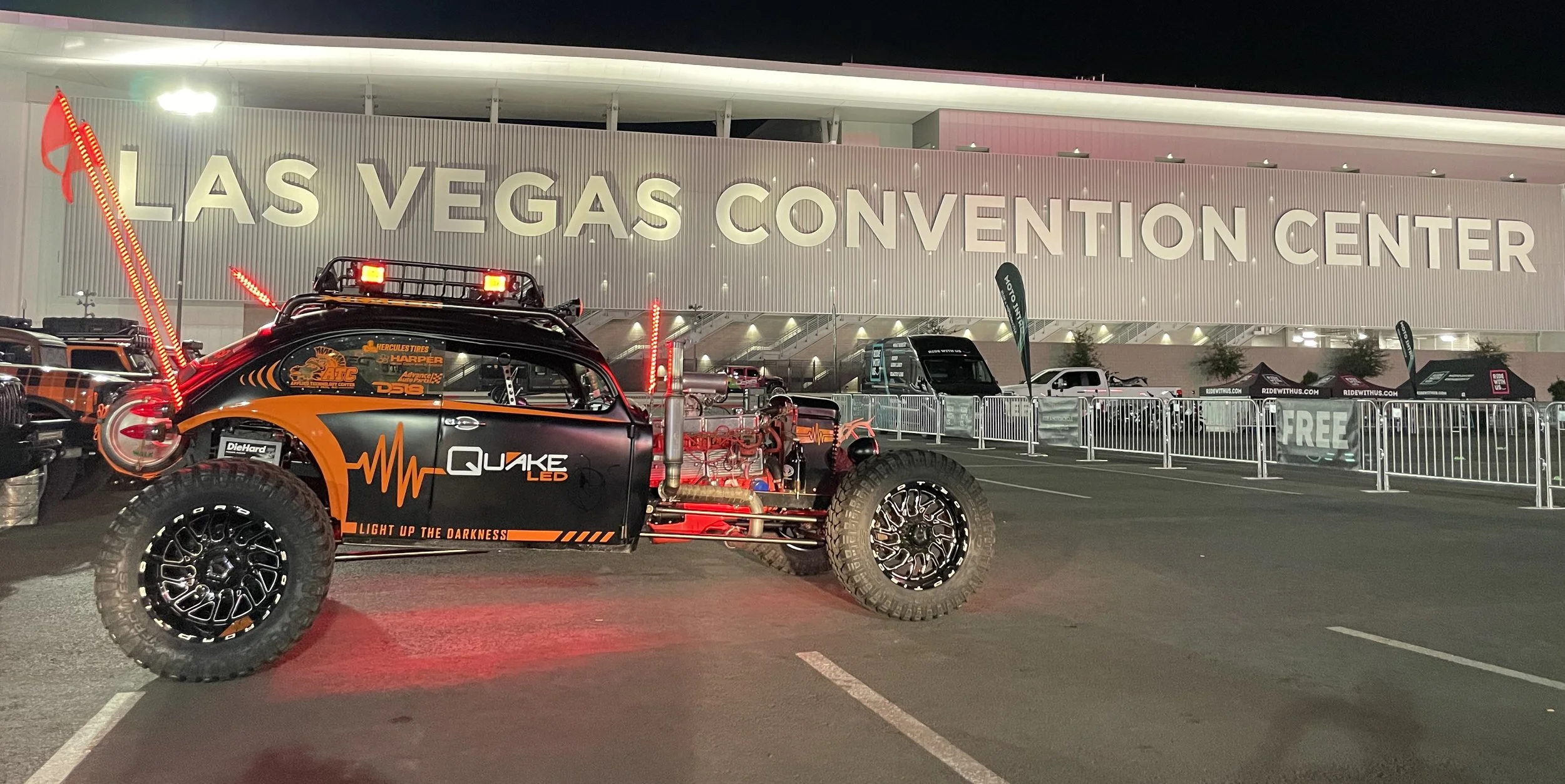
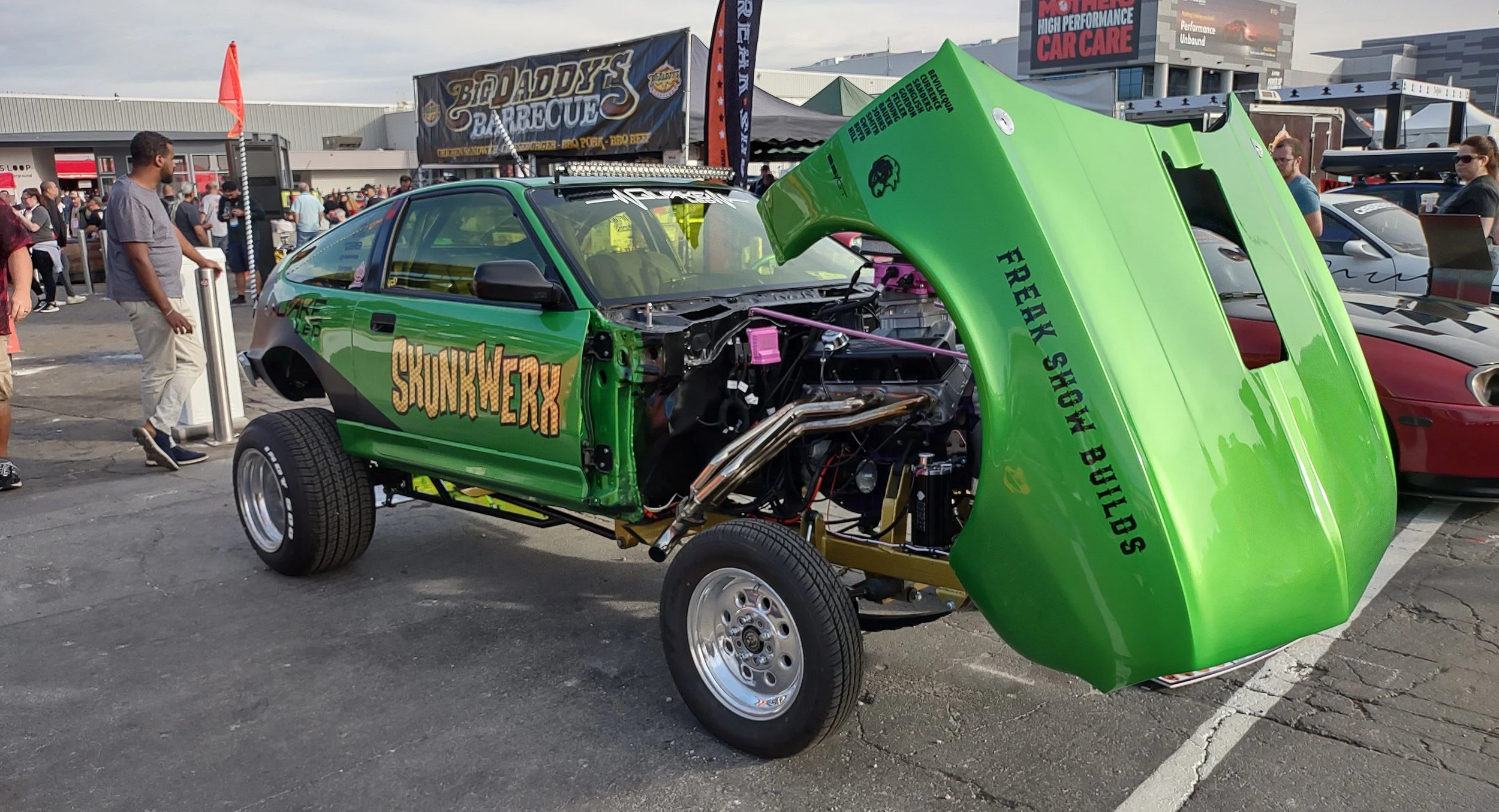
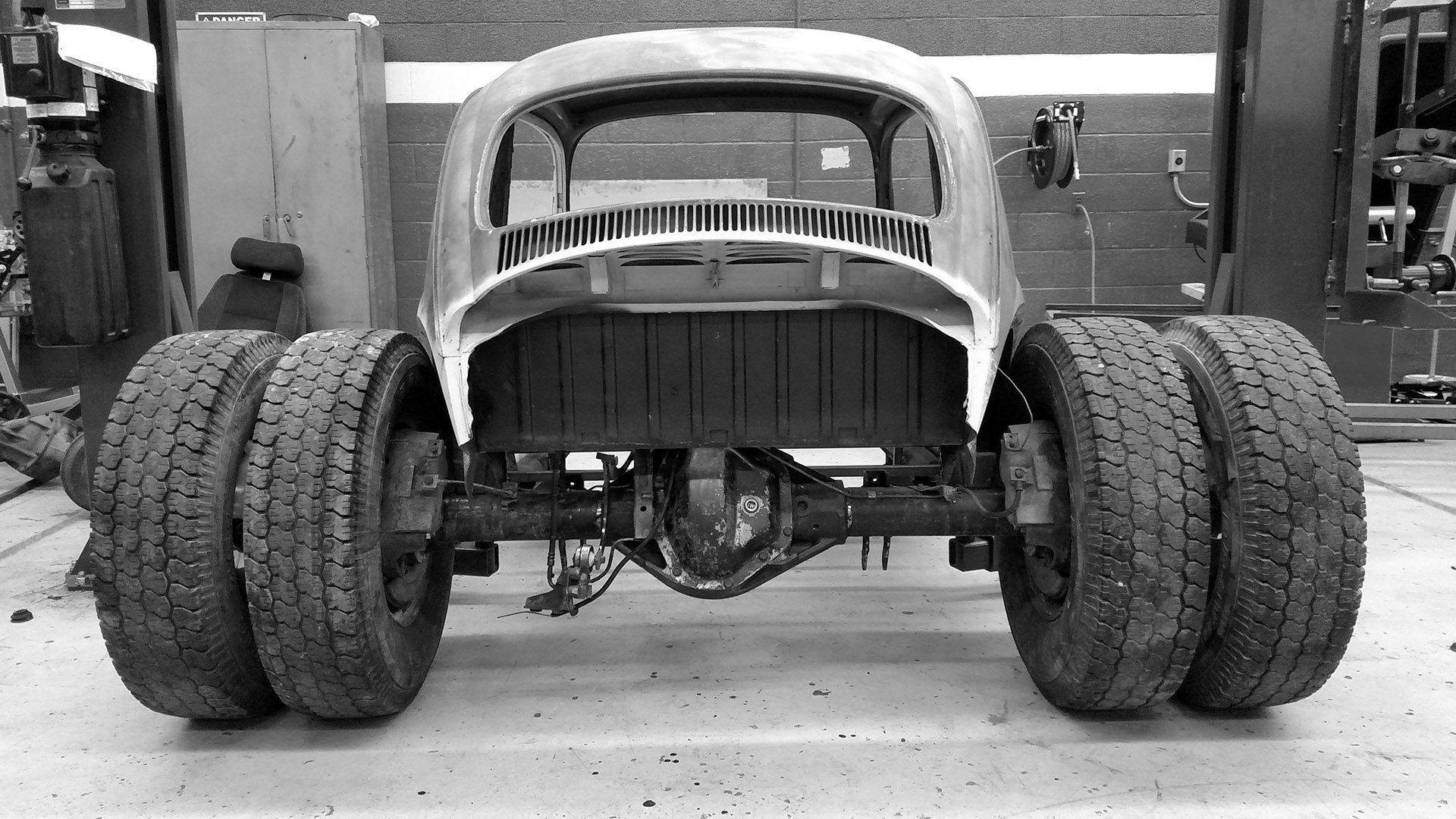
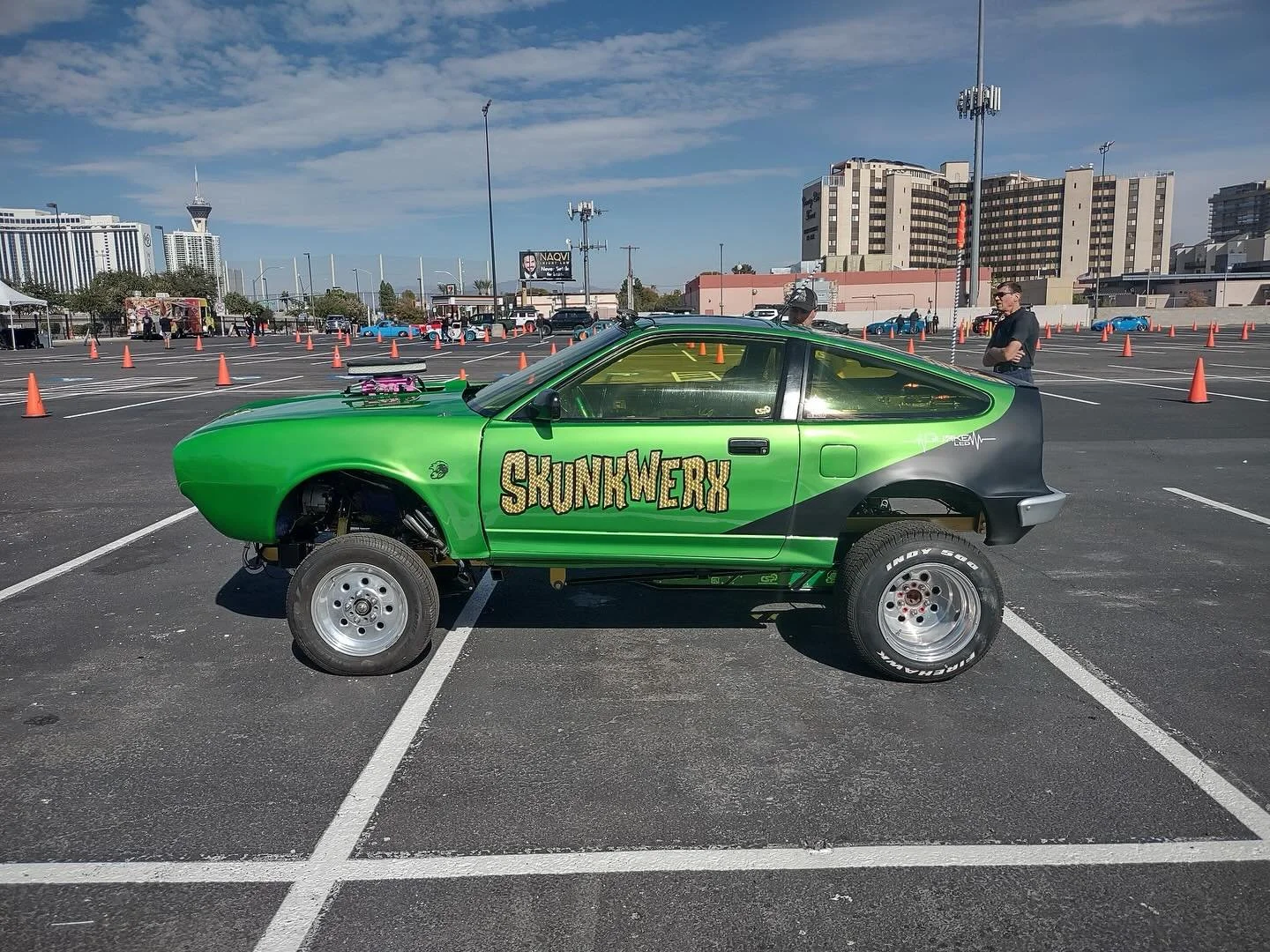
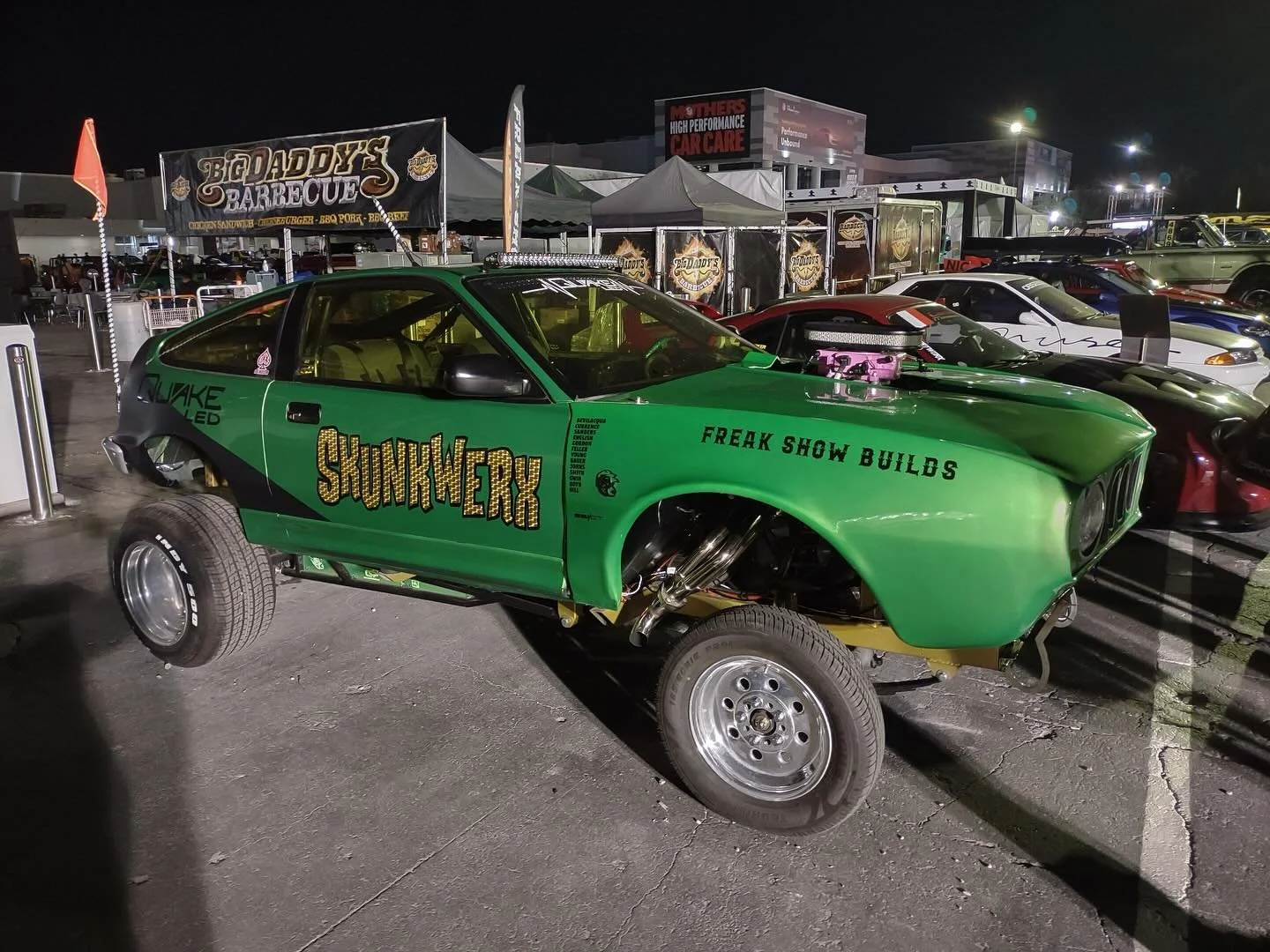
A Rat Rod is a newly developed name for the original hot rod style of the early 1950’s. A Rat Rod is usually a vehicle that has had many of the non-critical parts removed. They are usually finished in primer or paints that are often period correct. They are very often a conglomeration of parts and pieces of different makes, models and after-market parts. The term “Rat Rod” was first used by the high dollar, show cars guys to describe the low-buck, home built drivers. You can call them HOT RODS, TRADITIONAL RODS, STREETRODS, or RAT RODS they are here to stay and they are making a showing at auto related events across the country. These cars are a form or art and expression of their owners and builders.
Over the last ten to twelve years Rat Rods have become more and more accepted at Car Shows and in the custom car culture in general, with many car shows either including sections for Rat Rods, or beginning events directly devoted to them and aimed at wider audiences than ever before
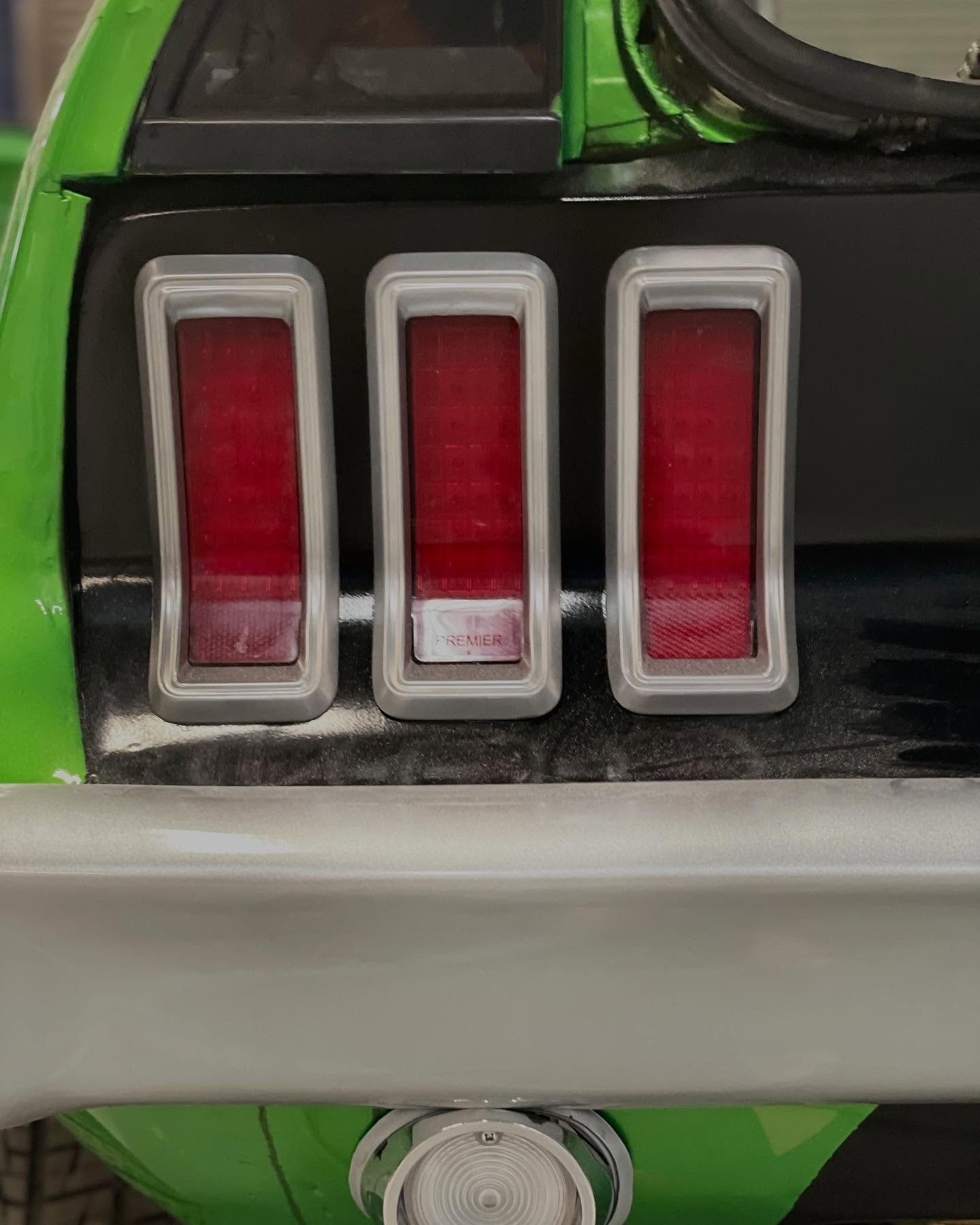
Recently, the term “rat rod” has been used to describe almost any vehicle that appears unfinished or is built simply to be driven. Chopped tops, shaved trim, grills, tail lights, and other miscellaneous body parts continue to be swapped between makes and models.
The traditional Rat Rods. These are cars built the way rods were built in the ’30s, ’40s, and early ’50s, with a primary emphasis on low-buck and home-built, using period-correct components ranging from flathead to nailhead engines, wide whitewall tires to skinny blackwall bias-plies, and black primer to hand-rubbed paint.
The more modern Rat Rods. They’re artistic, fun, and sensational reinterpretations of late-’40s/early-’50s hot rodding as a culture that includes music, clothing, hairstyles, and tattoos. The cars are low, loud, chopped…with giant rear tires, lots of carburetors, open pipes, and tall gearshifts.
*Taken from the Maggie Valley Rally's website
-
The term R.A.T. (Radically Alternative Thinking) reflects the high level of unconventional problem-solving, innovation, and critical thinking required to build a Rat Rod.
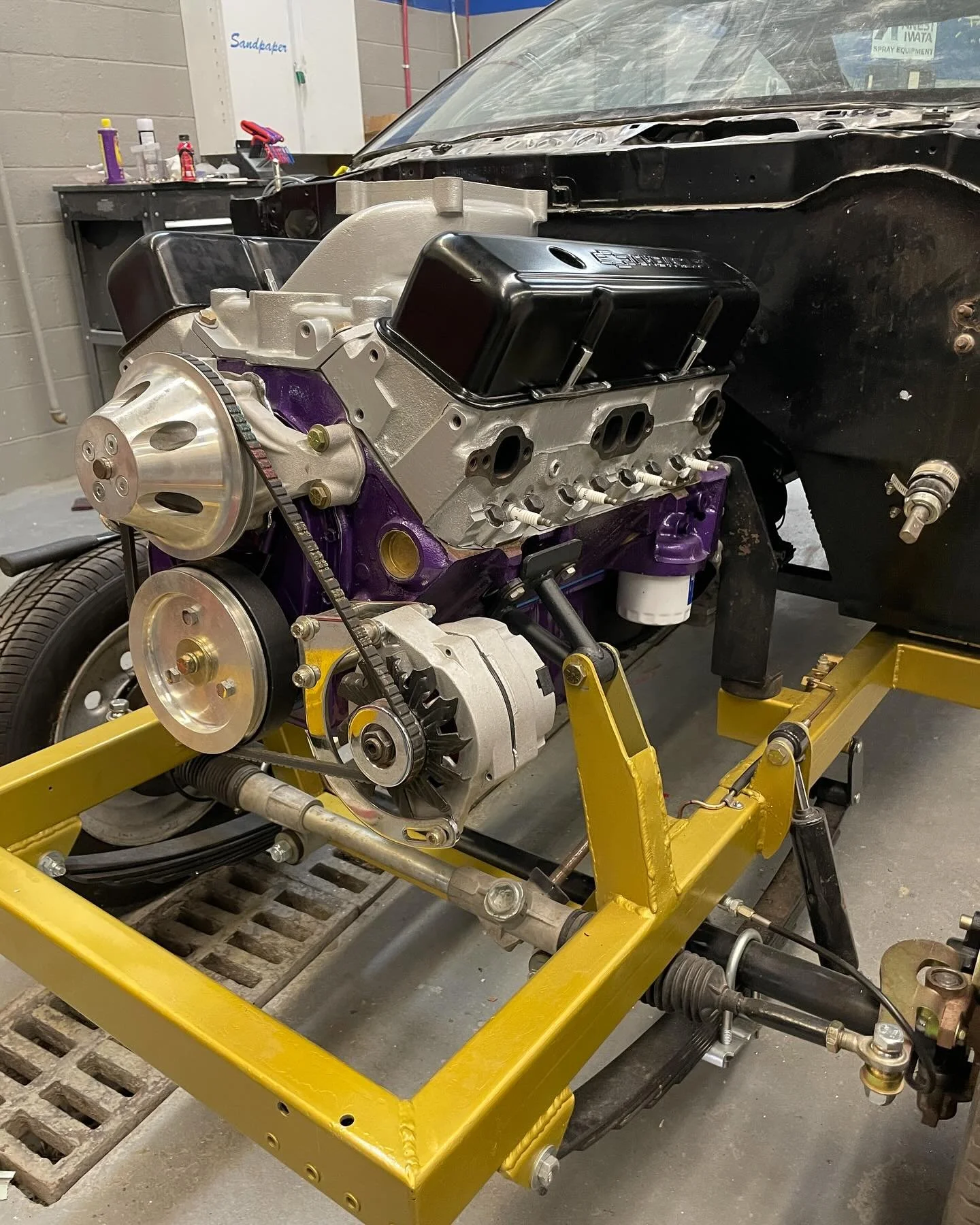
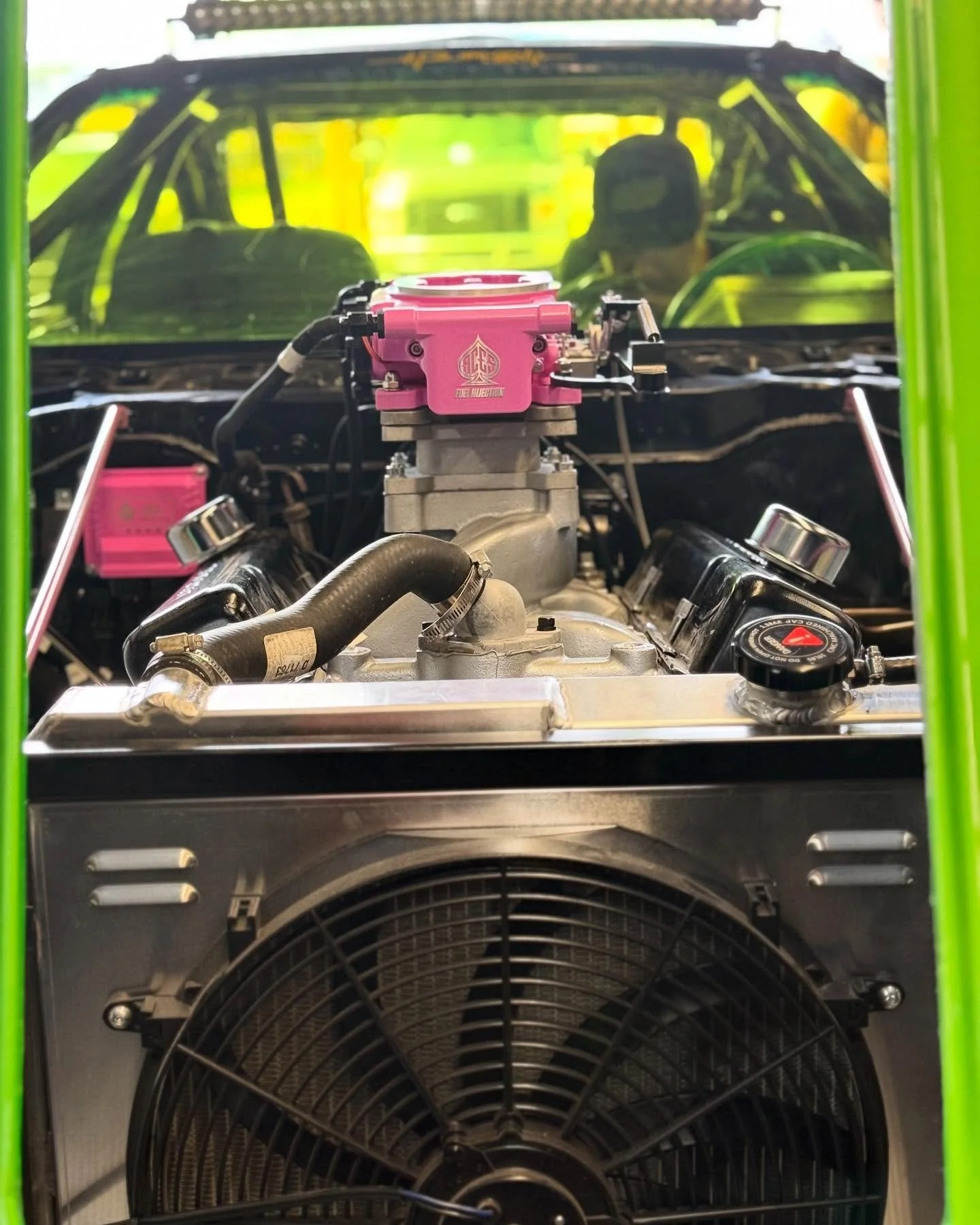
For example, students may need to determine how to integrate a Ford transmission with a Chrysler engine and a Chevrolet rear axle—designing and fabricating the components necessary for these systems to function together safely and effectively.
-
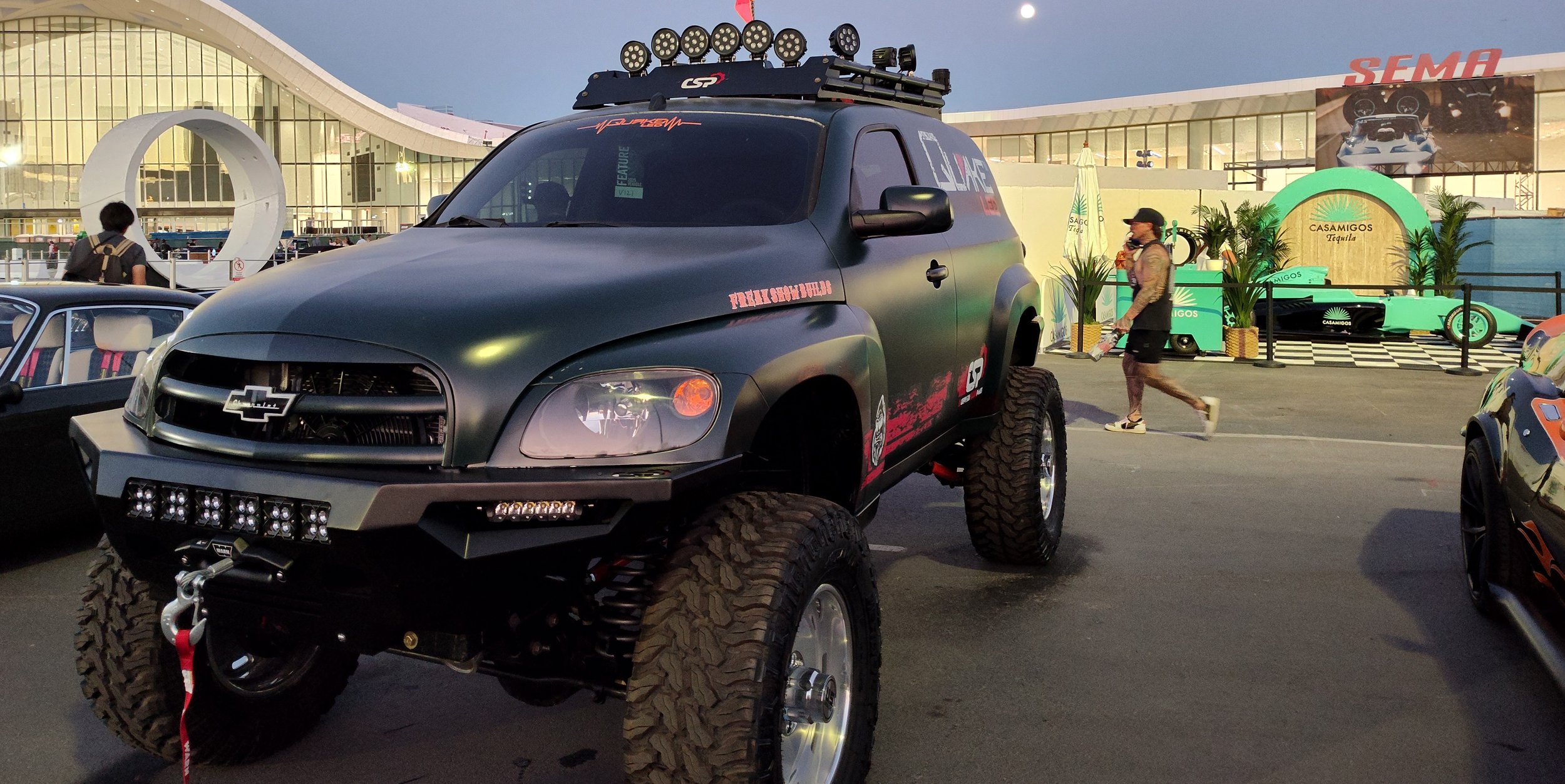
This challenge tasks high school students with designing and building a traditionally styled Rat Rod or Hot Rod using STEAM principles. The vehicle must incorporate parts from at least ten different makes and classifications of vehicles. It must also be safe and capable of passing a DOT inspection for the home-built vehicle category. The final build should only resemble the original base vehicle—not appear as a stock vehicle with a few added components.
For instance, if a 1933 Ford business coupe is used as the foundational vehicle, the completed project should not look like a standard 1933 Ford with miscellaneous parts attached. The body may come from one vehicle, the frame from another, the engine from a third, and so on.
-
Our vision for this challenge is to provide students with an authentic, engaging learning experience that incorporates STEAM principles in an environment intentionally designed to teach essential hard skills, soft skills, and advanced critical-thinking abilities. We aim to demonstrate that regardless of a student’s background or prior knowledge, they can achieve ambitious goals through perseverance and innovative thinking.
Participants will leave this experience not only with new technical and interpersonal skills, but also with a tangible end product—one they can see, touch, reference, and even drive. Most importantly, they will gain increased confidence, pride in their work, and lasting memories of the process and accomplishments.


Building Minds, Building Cars
This project is more than simply building a car—it is about teaching students how to think critically through the process of building a car.
If you would like to learn more, please share your information using the form below to receive updates from Carolina Steam Punks.
If you are interested in supporting the growth of our program, please consider donating by clicking the “DONATE” button below. Carolina Steam Punks (CSP) is a Not For Profit initiative, and all contributions go directly back into the program. Companies interested in donating tools or supplies are encouraged to contact us through the form at the bottom of the site. We could not succeed without the support of our community and the generosity of our Partners and Sponsors.
Thank you!
- The CSP Crew
Meet the Team
-

Gil Valk
Co-FOUNDER
-

Mark Dellinger
Co-FOUNDER
-

Chris Valk
CREATIVE DIRECTOR






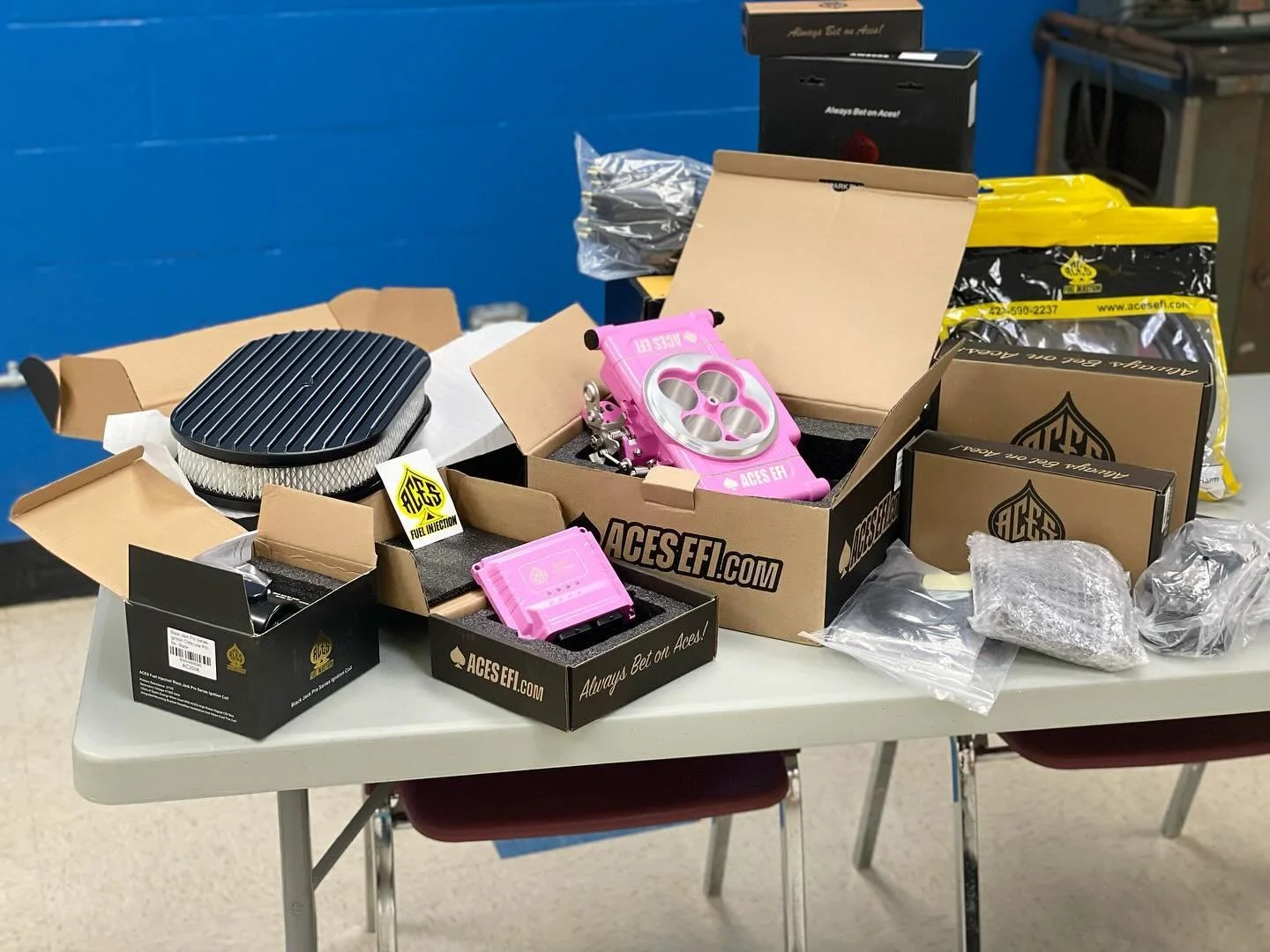
Partners and Sponsors
Partners:







sponsors:

















Training the Future, Using the Past!
✦
Training the Future, Using the Past! ✦
